
Legal Decision-Making Mediation
How parents reach agreements about education, healthcare, and other major decisions for their children in mediation.
Explore this guide
Child custody mediation helps parents across Arizona resolve parenting time and decision-making issues outside of court in a respectful, child-focused environment. Our online mediation process is designed to reduce conflict, save time, and help families create practical parenting plans that support long-term stability.
When parents disagree about custody, working with an experienced child custody mediator can help keep conversations productive and focused on the best interests of the children. Mediation for child custody allows both parents to participate actively in shaping outcomes rather than leaving decisions to a judge.
Our child custody mediation services support families at every stage of separation or divorce, whether you are just beginning discussions or need help resolving specific custody disputes.

Choosing mediation for custody offers several important advantages over litigation:

Supports cooperation between parents specifically for the benefit and well-being of children.
Fosters agreements that parents are more likely to honor because they created them together.
Decreases post-divorce conflict and minimizes the need for repeated court motions.
Reduces court congestion and may lower costs to taxpayers by keeping cases out of the system.
Our child custody mediation services address a wide range of parenting issues, including:

Every family is different, and mediation allows for flexible solutions tailored to your specific needs.
In Arizona, custody is really two questions: who makes major decisions for your child, called legal decision-making, and how parenting time is shared. Courts weigh both against one standard, the best interests of the child, and mediation keeps those decisions in your hands instead of a judge's. The agreements you reach here become the backbone of your parenting plan, and parenting plan mediation can turn them into a complete, detailed schedule your family can live with.
How parents reach agreements about education, healthcare, and other major decisions for their children in mediation.
Explore this guideUnderstand the difference between Arizona's two custody concepts and how each is addressed in mediation.
See how they differHow the best-interests standard guides custody discussions and shapes the agreements parents create.
Learn the standardMajor decisions: education, healthcare, religious upbringing, and personal care
The day-to-day schedule: school nights, weekends, holidays, and vacations in each home
Choosing a school, approving a medical treatment, agreeing on counseling
Weekly exchanges, summer blocks, holiday rotations, travel between homes
Parents decide whether decision-making is joint or sole, and set tiebreakers for future disagreements
Parents build a realistic schedule around work, school, and both homes, then document it in the parenting plan
Many parents share decision-making but need clear ground rules for schools, doctors, and activities. Mediation helps you agree on how those everyday decisions get made, who is consulted and when, and what the tiebreaker is if you disagree, so one difficult choice does not send you back to court.
Conflict does not disqualify you from mediation. Families may need additional structure when communication is strained, and a neutral mediator provides exactly that: ground rules for how meetings run, an agenda that keeps discussions focused on your children rather than old arguments, and separate conversations with your mediator when talking directly is not productive. Both parents are heard, and all agreements are reached, even when they started worlds apart.
A structured approach for parents in ongoing conflict who still need to make custody decisions together.
See the structured approachBuild communication guidelines and routines that keep co-parenting workable long after agreements are signed.
Build better communicationWhat to expect when parents have different perspectives, and how a neutral mediator moves discussions toward agreement.
Start from disagreementWhen substance use is a concern, agreements can include safeguards, clear conditions, and structured schedules, along with defined review points so the plan can adjust as circumstances change. Mediation addresses these openly while keeping the focus on your child's stability, with independent professional guidance where it is needed.
Mental health concerns do not automatically decide custody. Mediation lets parents build realistic plans around treatment, support, and consistency for the child, with respect for both parents' roles, and it does so privately rather than through accusations filed in a public court record.
Some families need transitional arrangements, including supervised parenting time. Mediation gives parents a respectful setting to discuss conditions, duration, and the milestones that mark the path to an unsupervised schedule. These arrangements can be transitional rather than permanent.
Life still continues to change after orders are in place. A proposed move, a new job, or a child's changing needs can all reopen parenting questions, and mediation gives parents a way to work through them before positions harden into court filings. Arizona law sets notice requirements and factors courts weigh when a parent proposes to relocate; mediation lets you work within that framework and reach an agreement you both shaped.
How parents work through proposed moves and the parenting-time changes that come with them, before positions harden.
Talk through a moveTemporary orders are a starting point, not the final word. Mediation helps parents move from temporary arrangements toward durable agreements, and when a final decree already exists, post-decree mediation handles formal changes.
Some parenting disputes involve grandparents or other family members who play an important role in a child's life. Mediation can support those family discussions. We also encourage those with specific questions about legal rights to seek independent legal advice. Mediation preserves relationships. It can strengthen families instead of tearing them apart through litigation. Even in complex cases involving extended family, agreements shaped together are far easier to honor than terms imposed after a court fight.
When grandparents seek a defined role in a child's life, mediation offers a respectful setting to discuss involvement and expectations. Whether legal standing exists is a question for independent counsel; mediation focuses on what the family can agree to, documented clearly enough that everyone knows what was decided.
Visitation conversations work best before they become disputes. Mediation helps parents and grandparents structure regular time, holidays, school events, and communication expectations in a way everyone can honor, and revisit as children grow.
Common questions about custody mediation, preparation, and what parents can expect, answered right here.
Mediation is designed for parents who can participate safely and voluntarily. It is not a substitute for emergency court relief or immediate safety planning.
When safety is established, mediation can begin or resume. Protecting yourself and your children comes first.
The child custody mediation process is structured to help parents discuss parenting time, legal decision-making, communication, and child-focused agreements in a respectful and productive setting. Here's how it works:
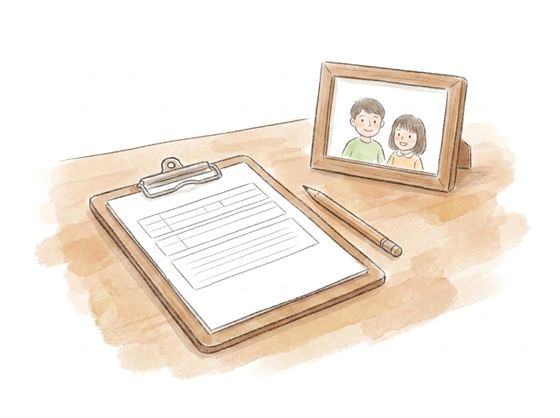
We begin by gathering background information and understanding each parent's concerns and priorities. This preparation helps ensure mediation sessions stay focused and productive.

During sessions, your child custody mediator facilitates discussion, helps identify common ground, and explores workable options. The mediator remains neutral and does not take sides.

Once agreements are reached, the parenting plan is documented clearly so it can be reviewed, finalized, and submitted to the court if needed.
Preparing in advance can make mediation more effective and less stressful. Consider the following steps before your sessions:

Think about your child's daily needs, routines, and long-term well-being.
Identify areas where you are flexible and where you have firm concerns.
Gather relevant information, such as school schedules or work commitments.
Be ready to listen and consider different perspectives.
Focus on problem-solving rather than past conflicts.

Some parents consult a child custody mediation lawyer for legal advice alongside mediation, which can complement the process while still avoiding courtroom battles.
Custody decisions rarely stand alone. Explore deeper guidance for parenting plans, support, divorce, and changes after a decree.

Create clear schedules, holiday plans, exchange details, and communication guidelines →

Discuss child support, shared expenses, and child-related financial responsibilities →

Resolve parenting, property, support, and divorce terms in one peaceful process →

Mediation after a divorce decree, parenting plan, or family court order is already in place →


Aurit Mediation is dedicated to transforming divorce through compassion. They have guided thousands of families to peaceful resolutions. Our licensed attorney-mediators are experts in Arizona family law, ensuring every agreement is legally compliant and protects your interests.
Meet the full team"They made a difficult process feel clear, respectful, and manageable from start to finish."
"We always understood what came next and felt heard throughout the entire process."
"Professional, compassionate, and focused on helping us reach decisions that actually work."
Aurit Mediation helps parents across Arizona resolve child custody and parenting-time issues through private, respectful mediation. We work with families in Phoenix, Scottsdale, Tucson, Flagstaff, and throughout the state through convenient virtual mediation services.

If you are looking for a practical, child-focused way to resolve custody issues, child custody mediation offers a structured and supportive path forward. Our experienced mediators are here to help you work toward agreements that prioritize your children and support healthier co-parenting relationships.
Schedule Free Consultation