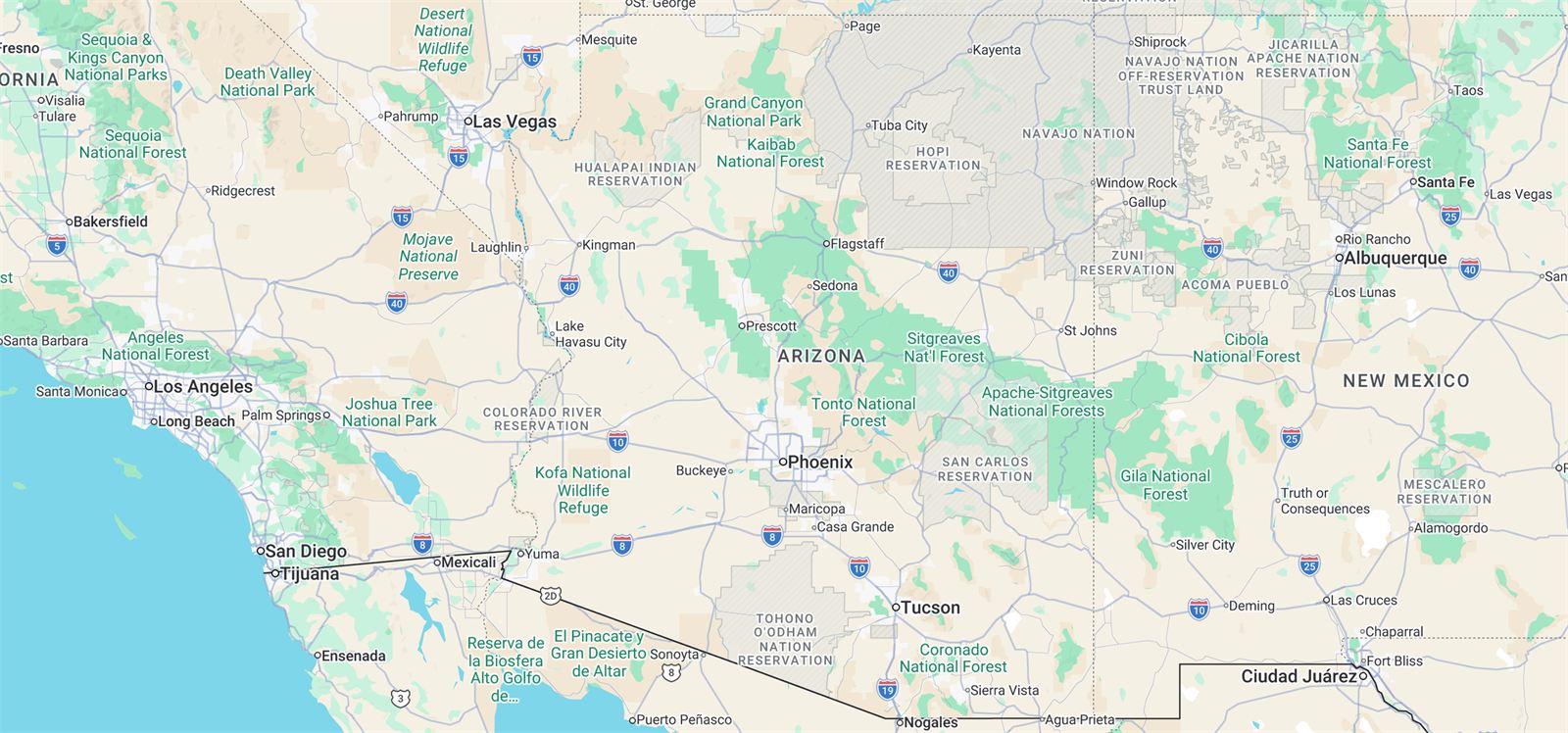
Living in different states doesn’t prevent you from discussing an Arizona divorce together online. Tell us where each spouse is located and whether a court case has already started. Scheduling should account for both time zones and allow each person enough time to participate.
An online meeting does not decide which court has authority over your divorce. Arizona's residency and jurisdiction requirements still apply. You can get independent legal guidance about where to file and whether another state's laws or existing orders affect your situation.[1]
Signing & Filing Agreements Remotely
We prepare agreement documents that reflect the terms you reach and guide you through the next steps. You have time to review the draft, raise questions, and arrange an independent attorney's review before signing.
Signing, notarization, and filing steps depend on the document and the court handling your case. Confirm the current requirements before assuming every step can happen electronically. A mediation agreement is legally-binding when your decree is filed with the court and signed by a judge.[2]
Interstate Parentage and Parenting Issues
When parents live in different states, practical decisions may include school calendars, travel, exchanges, and staying connected with your children between visits. Online mediation can give both parents room to discuss those details.
Before relying on proposed parenting terms, you are free to obtain legal guidance about parentage (legal parenthood), existing orders, and which court should handle your case. An online meeting does not give an Arizona court authority to make an initial custody decision.[3]
A thoughtful fit matters
A video meeting is useful only if you can participate safely and freely. Raise concerns about pressure, privacy, or violence before sessions begin. International issues require separate advice about jurisdiction and enforcement before you rely on an agreement.