Faster resolution
Mediation can often be completed in a few sessions rather than months in court.


Property division does not have to become a fight over who gets what. Mediation helps you and your spouse put every asset and debt on the table, understand what Arizona law says, and reach terms you both can live with, without a judge deciding it for you.
When couples face complex financial decisions, working with a licensed attorney-mediator can help create fair solutions outside of court. Property division mediation lets both spouses actively participate in dividing assets and debts, rather than leaving the outcome to a judge.
Some clients also choose to consult an independent attorney to understand the legal implications of a decision, and mediation remains the primary path for reaching the agreement itself.

Choosing mediation offers real advantages for your financial future, and for how the process itself feels.
Mediation can often be completed in a few sessions rather than months in court.
Neutral mediation helps minimize conflict between spouses.
Unlike court proceedings, mediation sessions are private.
You and your spouse decide the terms together.
Avoid high attorney and court fees while still receiving professional guidance.
Every mediation is customized to your situation, but most follow the same general path from first conversation to a documented agreement.

We help both spouses gather financial documents, list assets and debts, and identify priorities. Proper preparation keeps mediation structured, efficient, and productive.

Your licensed attorney-mediator facilitates open discussion, helps clarify options, and assists in negotiating terms you both find workable. The mediator remains neutral and focuses on resolving disagreements collaboratively.

Once you reach agreement, the terms are documented clearly. This document can be reviewed and submitted to the court for final approval, giving it legal recognition while keeping the benefits of a negotiated settlement.
It is hard to trust a number you cannot see. Divorce mediation starts by putting everything on the table, together, so neither of you is left wondering what the other is hiding: income, assets, and debts organized in one place, then sorted into what Arizona law generally treats as community property and what may remain separate.
What both spouses share with each other, and how mediation keeps information organized without a formal court discovery process.
Understand disclosure →How Arizona law tells community and separate property apart, and how mediation works through the harder gray-area questions.
Learn the distinction →Bank, investment, retirement, and debt statements give both of you the same starting information.
A shared, organized list makes it easier to see the full picture before any decisions are made.
Arizona treats most property acquired during the marriage as jointly owned. Your mediator helps you sort out what is community property and what may be separate.
If a value or classification is not obvious, mediation is where you identify what additional information or outside input is needed.
The family home is often the largest, and most emotional, asset in a divorce. Mediation gives you room to weigh whether to sell, refinance, or have one spouse keep the home, with your mediator helping you think through the practical and financial tradeoffs of each option.
Weighing a sale, a buyout, or a delayed sale against your family's actual needs and finances.
Weigh your options →What removing a spouse from a mortgage or title generally involves once a decision has been made.
See what's involved →A business is not just an asset, it is years of work, and the idea of a stranger putting a number on it can feel like a threat in itself. Mediation keeps that conversation private and collaborative: you and your spouse work through ownership and valuation questions together, without airing financial details in a public court filing.
How mediation approaches ownership, valuation, and buyout options for a business built during the marriage.
Explore the options →Considerations specific to medical, legal, and other licensed professional practices.
See what applies to you →Valuation often benefits from an independent professional. Business and professional-practice valuations can be complex. Mediation can incorporate outside financial input without turning the process adversarial.
Retirement accounts and investment portfolios are often the assets couples worry most about getting wrong, because they were built over decades and are hard to picture as anything but permanent. Mediation slows that anxiety down: you and your spouse work through what is actually on the table, from 401(k)s and pensions to brokerage accounts, and reach terms that protect both of your financial futures instead of leaving that decision to a courtroom. Retirement and investment decisions may also connect with spousal maintenance mediation when couples are working through their broader financial agreement.
What generally happens when a retirement account built during the marriage needs to be divided.
See how it works →How brokerage accounts, stock, and other investments get addressed alongside the rest of your property.
Understand your options →Some retirement divisions need an extra step. Certain retirement accounts require an additional court order to actually move funds between accounts. Your mediator will flag if your situation needs that step, and what it generally involves.
Some divorces involve enough assets, entities, or moving pieces that property division needs a more detailed process. Mediation still works here, and often works better here, because it keeps sensitive financial information private while giving both spouses room to bring in outside expertise where it is genuinely needed.
How mediation handles multiple properties, complex holdings, and layered financial structures while preserving privacy and control.
Resolve complex assets privately →Some situations call for outside expertise. An appraiser, forensic accountant, or financial planner can support a complex property division without turning mediation into a fight.
Debt can feel like the part of divorce nobody warns you about: it is easy to focus entirely on what you own and forget that what you owe has to be settled too. Mediation brings credit card balances, loans, and other debts into the same conversation as your assets, so neither of you walks away with a partial picture, or a surprise bill six months later.
How mediation sorts out responsibility for joint and individual debts built up during the marriage.
See how it's addressed →How mortgage responsibility gets addressed as part of a broader property division agreement.
Understand the approach →An agreement is a starting point, not the final step with a lender. A mediated agreement can state who is responsible for a debt between the two of you, but it does not automatically remove either spouse's name from a joint account. Your mediator will walk through what additional steps that may involve.
Walking into your first session without a plan is where most of the stress comes from. Use these Arizona-specific resources to get organized before you start, then find quick answers to the questions couples ask most, so nothing catches you off guard once the real conversation begins.
A practical starting list of the documents and information to gather before your first mediation session.
Get organized →Property division mediation is a private process where spouses work with a neutral, licensed attorney-mediator to identify, organize, and divide assets and debts during divorce. The goal is to reach clear agreements without turning every financial issue into a court dispute.
Couples can discuss real estate, home equity, bank accounts, retirement accounts, investments, vehicles, personal property, and business interests. They can also address debts such as credit cards, loans, mortgages, and other liabilities.
No. You do not need every value settled before mediation begins. If a value is unclear, mediation can help identify what information is missing and whether an appraisal, financial statement, or professional input is needed.
Yes. Retirement accounts are commonly discussed in property division mediation, including pensions, IRAs, and 401(k)s. Some retirement divisions may require an additional court order before they can be completed.
Separate property questions can be discussed in mediation, but they may take careful review. Your mediator can help both spouses identify the issue, discuss possible options, and determine whether independent legal advice or financial documentation is needed before an agreement is finalized.
A mediated agreement becomes part of your final decree once it is written, reviewed, signed, and submitted to the court for approval. Reaching agreement in mediation is not, by itself, a final court order.
You may consult an independent attorney for legal advice at any point, and many spouses do. Your mediator stays neutral throughout the process, provides legal information rather than legal advice, and does not represent either spouse.
Yes. Property division mediation covers all types of assets, including businesses, professional practices, and investment properties, working toward a fair and workable division for both spouses.
Most cases resolve within a few sessions over several weeks, depending on how many assets are involved and how complex they are.
Mediation is particularly useful for couples who wish to preserve a cooperative relationship during divorce, or who have financial situations that require detailed, thoughtful planning.
Property division often connects with other family mediation services. These related pages can help you understand the full mediation path.


Aurit Mediation is dedicated to transforming divorce through compassion. Our licensed attorney-mediators help families work through complex financial decisions with structure, legal understanding, and a calm process.
Meet the full teamSee why over 10,000 Arizona families have trusted our proven, peaceful process to navigate their divorce with dignity.

"They made a not-so-easy process seem almost effortless. Not only is it their knowledge of the process, but it's the way they made me feel during the whole thing."
— Brittany F.
"I would highly recommend The Aurit Center to family and friends. Michael handled our case with compassion and understanding, and made a difficult life event bearable."
— Dylan D.
"Truly five-star service all the way. The patience and kindness given to me throughout the process made me feel at ease. I felt like family."
— Patrick F.
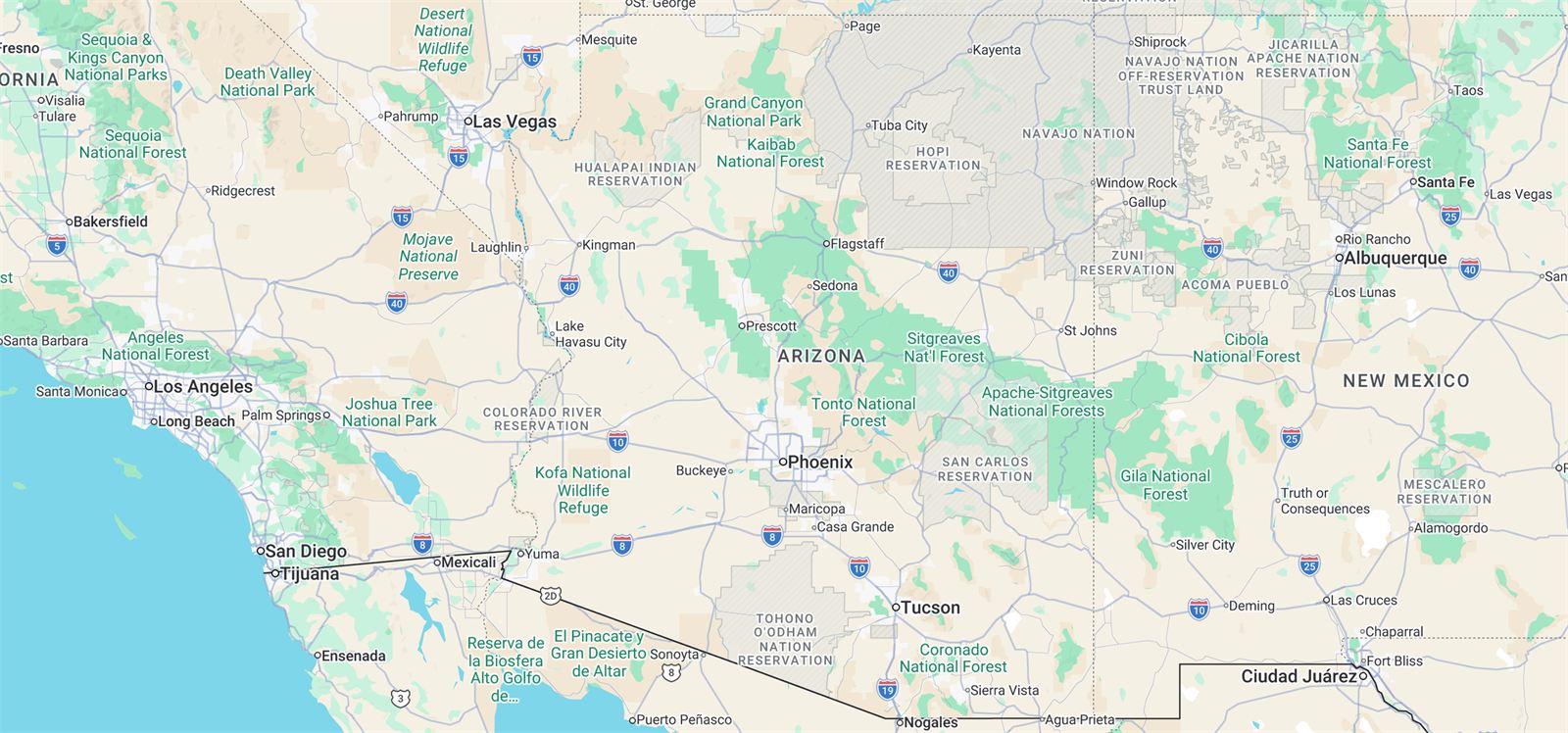
We provide direct support to spouses navigating property and debt division in Phoenix, Chandler, Tempe, Flagstaff, Tucson, and everywhere in between. Find an Aurit location near you, or connect virtually with a licensed attorney-mediator to work through your financial picture together.
Resolve financial disputes constructively while protecting relationships and minimizing conflict. Schedule your free one-hour consultation with a licensed attorney-mediator.
Schedule Free Consultation